

2nd Backflow Conference on Cultural Transfer within the Danube Region EU Strategy
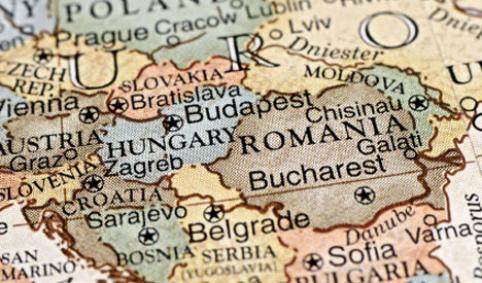
Europe’s literatures – and more importantly, the literary markets and culture in the public eye – allow new fault lines to emerge. Following the integration and transformation in the wake of political changes in 1989, today the major countries of north-western Europe and the multilingual regions of south-eastern Europe pursue increasingly polar development lines. The structural decline of literary markets in south-eastern Europe by 10% annually is accompanied by a shift of reader consumption behaviour. In other words, fewer and fewer people are reading books and the reading elites are increasingly oriented towards international and multimedia sources. What does this mean for the cultural vision of a fragmented and multilingual cultural area?– are there new opportunities to publish in the different smaller regions via a digital network and to communicate culturally across borders?
Publishers, writers and literary agents discuss the notable and growing importance of major north-west European and small south-east European literary markets drifting apart. They also reflect on potential strategies for addressing such developments. Is the pressure too great from large global players for whom regions such as the states along the Danube only represent fragmented and unattractive target markets? This affects the issue of translation. For instance, is the ideal book in Danube region cultures a book in 25 languages that also needs translating into all 25 languages? Or is a commitment to a transfer language long overdue for the sake of cultural diversity along with emphasis on modern values and content? What role can new digital innovations widely available as online publications and eBooks play here – are there new opportunities to publish in the different smaller regions via a digital network and to communicate culturally across borders?
- Short presentation:
- Andrej Blatnik, Writer, University Ljubljana
- Yana Genova, Next Page Foundation Sofia
- Miha Kovač, Mladinska knjiga Publishing House
- Chris Meade, Institute for the Future of the Book London
- Ferdinand Schmatz, Writer, University Vienna
- World Café:
- Alida Bremer, Traduki Münster
- Alexander Drakulic, Knjizara.com Beograd
- Eva Karadi, Lettre International Budapest
Concept and moderation: Rüdiger Wischenbart
Organization and documentation: Veronika Trubel
Conference language: English